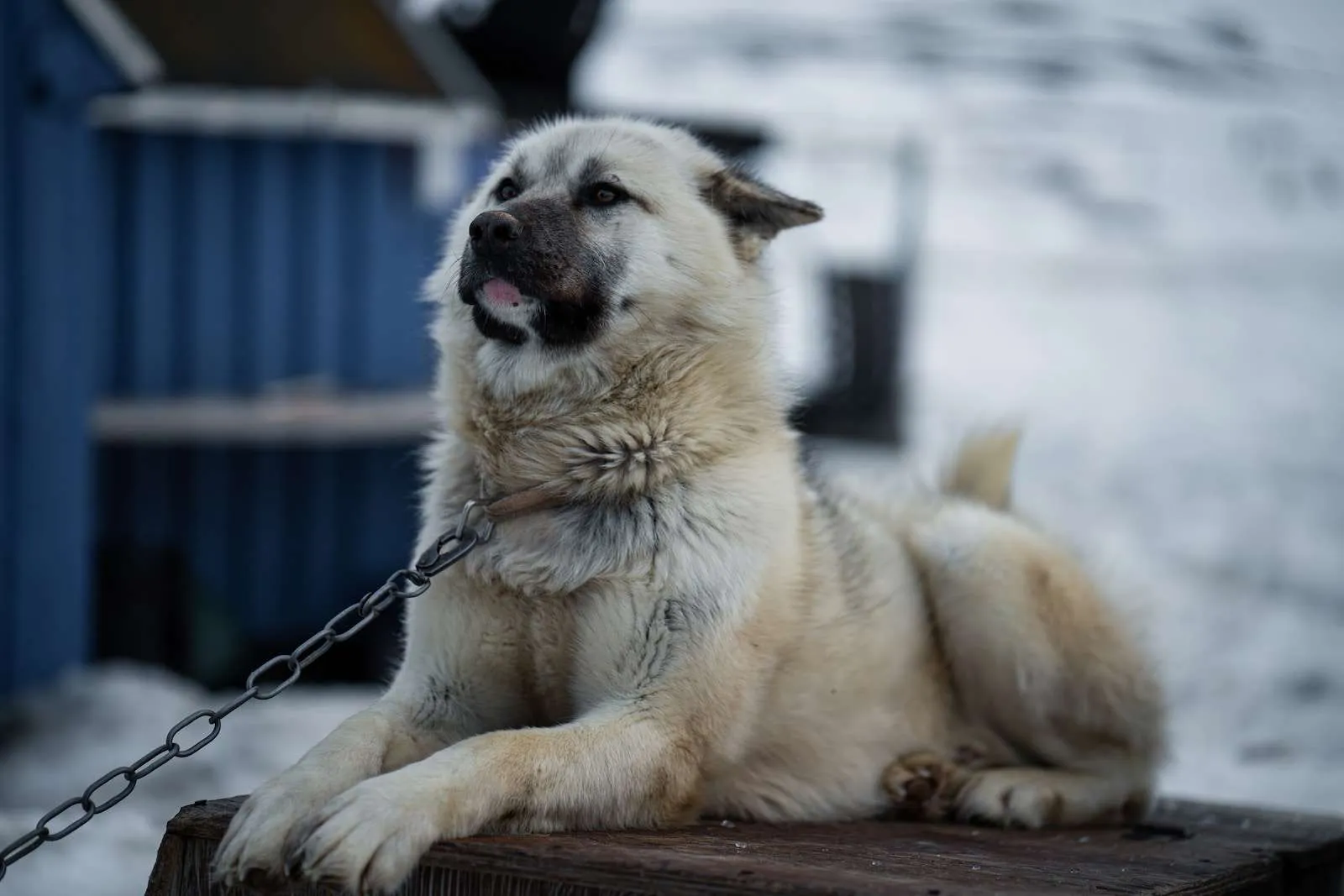
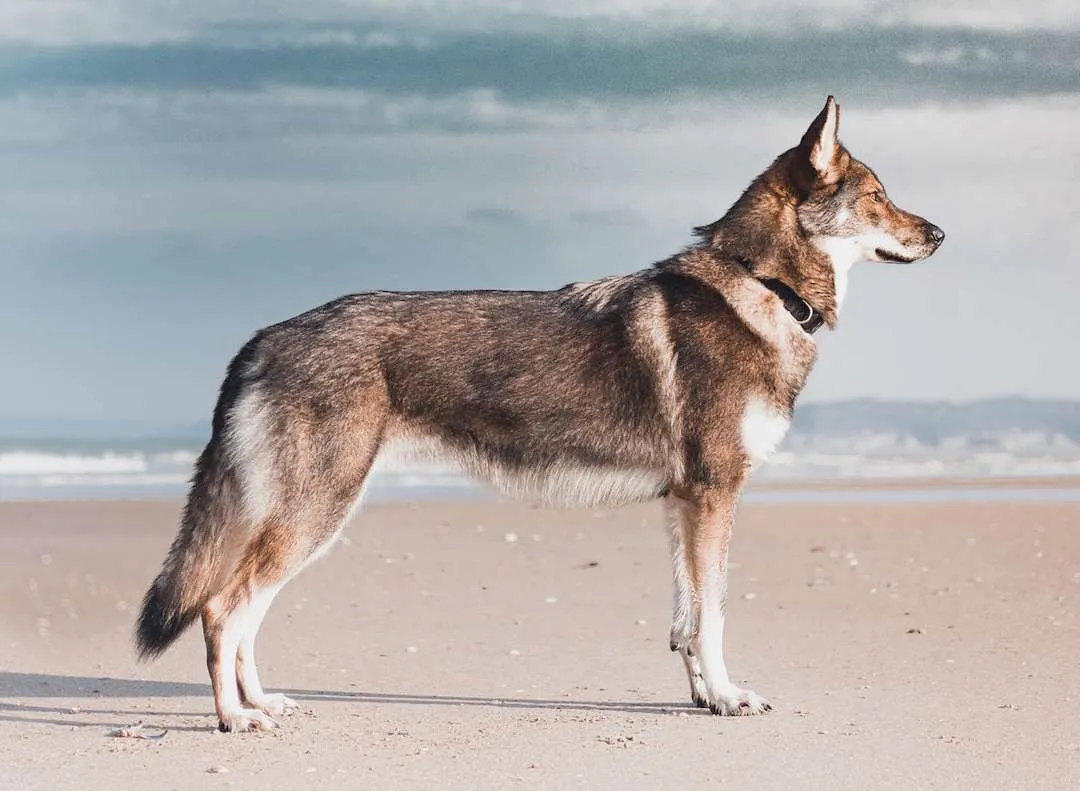
Statistics:
- Height: Male: 24-26 inches (61-66 cm), Female: 22-24 inches (56-61 cm)
- Weight: Male: 44-66 pounds (20-30 kg), Female: 44-55 pounds (20-25 kg)
- Life Span: 12-14 years
- Diet: High-quality dog food formulated for active breeds, with consideration for age, size, and activity level.
Pudelpointer Overview:
The Pudelpointer is a versatile and highly skilled hunting dog breed that originated in Germany. Developed in the late 19th century, it was a cross between the German hunting poodle (Pudel) and various pointing breeds such as the English Pointer. The goal was to create a dog that excelled both in water retrieving and pointing game, combining the intelligence and versatility of the poodle with the hunting instinct and pointing abilities of other breeds.
Pudelpointers are renowned for their exceptional hunting skills, adaptability to various terrains, and remarkable endurance. They are prized for their versatility, being equally proficient in tracking, pointing, flushing, and retrieving game. In addition to their hunting prowess, Pudelpointers make loyal and affectionate family companions, known for their intelligence, trainability, and friendly disposition.
Pudelpointer Highlights:
The Pudelpointer stands out for several notable traits and characteristics:
- Exceptional Hunting Skills: Pudelpointers are highly regarded for their hunting abilities. They possess a keen sense of smell, excellent tracking skills, and a natural instinct for pointing and retrieving game. Their versatility allows them to excel in various hunting environments and game types, from upland birds to waterfowl.
- Versatility: Pudelpointers are incredibly versatile hunting dogs. They can work in diverse terrains, including fields, forests, and water bodies. Whether it’s pointing game, tracking wounded animals, or retrieving waterfowl, they are adaptable and excel in different hunting scenarios.
- Trainability: Pudelpointers are known for their intelligence and trainability. They are quick learners and respond well to positive reinforcement training methods. Their eagerness to please their owners and their natural hunting instincts make them highly trainable and capable of mastering complex tasks.
- Temperament: Pudelpointers have a balanced and stable temperament. They are friendly, gentle, and make excellent family pets. While they have a strong prey drive in the field, they typically exhibit a calm and even-tempered demeanor in a home environment. They are known to be good with children and get along well with other dogs.
- Endurance and Stamina: Pudelpointers have impressive endurance and stamina, allowing them to work tirelessly in the field. They have the physical capability to cover long distances, traverse challenging terrains, and withstand varying weather conditions, making them ideal companions for dedicated hunters.
Pudelpointer Evolution and History:
The Pudelpointer breed was developed by Baron von Zedlitz und Neukirch in the late 19th century in Germany. Baron von Zedlitz sought to create a versatile hunting dog that combined the best traits of the German hunting poodle and various pointing breeds. He selectively crossed his hunting poodle, named Pudel, with different pointers and hunting dogs, aiming to produce a breed that excelled in both pointing and retrieving game.
The Baron’s efforts resulted in a breed that exhibited exceptional hunting skills, intelligence, and trainability. The Pudelpointer quickly gained recognition and popularity among hunters in Germany and later found enthusiasts in other parts of the world. Today, Pudelpointers are highly regarded as versatile hunting dogs and cherished family companions.
Pudelpointer Size and Weight:
Pudelpointers are medium-sized dogs with a sturdy build. The breed standard provides the following size and weight guidelines:
- Height: Males typically stand between 24 and 26 inches (61-66 cm) at the shoulder, while females are slightly smaller, measuring 22 to 24 inches (56-61 cm).
- Weight: Male Pudelpointers generally weigh between 44 and 66 pounds (20-30 kg), while females typically weigh 44 to 55 pounds (20-25 kg).
It’s important to note that individual variations within these ranges can occur, and the overall body composition should be balanced and proportionate.
Pudelpointer Personality:
The Pudelpointer possesses a friendly, intelligent, and adaptable personality that makes them not only exceptional hunting partners but also beloved family companions. Here are some key personality traits of the Pudelpointer:
- Intelligent: Pudelpointers are highly intelligent dogs with a quick learning ability. They possess excellent problem-solving skills and are known for their ability to adapt to different hunting situations. Their intelligence contributes to their trainability and makes them versatile working dogs.
- Trainable: Pudelpointers are eager to please their owners and have a strong desire to work. They respond well to positive reinforcement training methods and can quickly grasp new commands and tasks. Their willingness to learn and their natural hunting instincts make them highly trainable for a variety of hunting purposes.
- Loyal and Affectionate: Pudelpointers form strong bonds with their families and are loyal and devoted companions. They thrive on human companionship and enjoy being involved in family activities. Their affectionate nature makes them excellent family pets, and they are known to be good with children when properly socialized.
- Energetic and Active: Pudelpointers have a high energy level and require regular physical exercise and mental stimulation. They are active dogs that excel in outdoor activities such as hunting, tracking, and retrieving. Engaging them in regular exercise routines and providing them with mental challenges is crucial to their overall well-being and happiness.
- Alert and Protective: Pudelpointers have a keen sense of awareness and make excellent watchdogs. They are naturally alert and will notify their owners of any perceived threats or intrusions. While they are not aggressive by nature, their protective instincts can manifest when they perceive a potential danger to their family.
Overall, the Pudelpointer combines intelligence, trainability, loyalty, and an affectionate nature, making them excellent companions for active individuals or families who appreciate outdoor activities and have a keen interest in hunting.
The Adaptability of the Pudelpointer:
Pudelpointers are generally adaptable dogs that can thrive in various environments. Their adaptability stems from their versatile hunting skills, as well as their ability to adjust to different living situations. Here are some key factors to consider regarding the adaptability of the Pudelpointer:
- Hunting Environments: Pudelpointers are bred to work in diverse hunting terrains, including fields, forests, and water bodies. They can adapt to different hunting scenarios and game types, showcasing their versatility in tracking, pointing, flushing, and retrieving game.
- Living Conditions: Pudelpointers can adapt to different living conditions as long as they receive sufficient exercise, mental stimulation, and social interaction. They can adjust to both rural and suburban environments, provided they have access to regular exercise opportunities and engaging activities.
- Climate: Pudelpointers have a weather-resistant coat that helps them tolerate varying weather conditions. However, extreme temperatures, whether excessively hot or cold, can be challenging for them. It’s important to provide appropriate shelter and care to ensure their well-being in extreme climates.
- Family Life: Pudelpointers adapt well to family life and enjoy being an integral part of the household. They are known for their loyalty and affection toward their families and typically get along well with children when properly socialized. However, they may not be suitable for households with small pets, such as cats or rodents, due to their strong hunting instincts.
- Training and Activities: Pudelpointers thrive in environments where they can engage in regular training sessions, exercise routines, and mental stimulation. They adapt well to structured activities such as hunting, tracking, obedience training, and various dog sports. Their adaptability shines through their willingness to learn and participate in various tasks.
While Pudelpointers are generally adaptable, it’s important to note that individual dogs may vary in their adaptability based on factors such as genetics, socialization, and training. Providing a stimulating and enriching environment that meets their physical and mental needs is key to ensuring their overall well-being and adaptability.
Pudelpointer Temperament:
The Pudelpointer has a balanced and even-tempered disposition that makes them well-suited for both hunting and family life. Here are some key temperament traits of the Pudelpointer:
- Friendly and Gentle: Pudelpointers are known for their friendly nature and gentle demeanor. They typically get along well with people and enjoy the company of their families. Their affectionate and loyal temperament makes them excellent family companions.
- Alert and Watchful: Pudelpointers are naturally alert and vigilant. They have a keen sense of awareness and will notify their owners of any potential threats or intrusions. While not aggressive by nature, their protective instincts may be evident when they perceive a danger to their family.
- Calm and Even-Tempered: Pudelpointers possess a calm and balanced temperament. They are generally not prone to nervousness or excessive excitability. Their stable disposition allows them to remain composed in various situations, making them reliable hunting partners and calm family pets.
- Intelligent and Trainable: Pudelpointers are highly intelligent and possess a quick learning ability. They are responsive to positive reinforcement training methods and thrive on mental stimulation. Their intelligence and trainability contribute to their overall temperament and their ability to adapt to different environments.
- Family-Oriented: Pudelpointers are known for their strong bonds with their families. They enjoy being an integral part of family life and tend to form deep connections with their owners. They are affectionate, loyal, and make excellent companions for individuals or families who are dedicated to their well-being and provide them with the attention and care they require.
It’s important to note that individual temperaments can vary within the breed, influenced by factors such as genetics, socialization, and training. Early socialization, proper training, and positive experiences contribute to the development of a well-rounded Pudelpointer temperament.
Pudelpointer Maintenance and Grooming:
Pudelpointers have a low-maintenance coat that requires regular grooming to keep them clean and healthy. Here are some key aspects of Pudelpointer maintenance and grooming:
- Coat Type: Pudelpointers have a dense, wiry outer coat that provides protection against harsh weather conditions and rough terrain. Their undercoat is soft and insulating. This combination allows them to be comfortable in various climates and environments.
- Shedding: Pudelpointers are considered low to moderate shedders. While they do shed some hair throughout the year, the shedding is typically minimal and manageable. Regular brushing helps remove loose hairs and keeps the coat in good condition.
- Coat Care: Brushing the Pudelpointer’s coat once or twice a week is usually sufficient to remove loose hair, prevent matting, and maintain coat health. Additionally, occasional hand-stripping or professional grooming may be required to maintain the desired wiry texture and remove dead hair.
- Bathing: Pudelpointers do not require frequent bathing, as their coat has natural oils that help protect their skin and maintain coat health. Bathing should be done as needed or when the dog becomes dirty or smelly. Use a mild dog shampoo and follow proper bathing techniques to ensure the coat and skin are properly cared for.
- Ear Care: Pudelpointers have drop ears that can trap moisture and debris, increasing the risk of ear infections. Regular inspection and cleaning of the ears are essential to maintain ear health. Gently wipe the ears with a veterinarian-recommended ear cleaner and cotton ball, taking care not to insert anything deep into the ear canal.
- Nail Care: Regular nail trimming is necessary to keep the Pudelpointer’s nails at an appropriate length. Long nails can cause discomfort and contribute to gait issues. Use proper dog nail clippers or seek professional assistance to ensure safe and effective nail trimming.
- Dental Care: Like all dogs, Pudelpointers require regular dental care. Brushing their teeth regularly with a dog-specific toothbrush and toothpaste helps prevent dental issues such as plaque and tartar buildup. Additionally, providing dental chews or toys can contribute to good oral health.
The Trainability of the Pudelpointer:
Pudelpointers are highly trainable dogs known for their intelligence, willingness to please, and natural hunting instincts. Here are some key aspects of the Pudelpointer’s trainability:
- Intelligence: Pudelpointers are highly intelligent dogs, which makes them quick learners. They have the capacity to understand complex commands and tasks. Mental stimulation through training sessions, problem-solving exercises, and interactive games is essential to keep their minds sharp and engaged.
- Positive Reinforcement: Pudelpointers respond best to positive reinforcement training methods. They thrive on praise, rewards, and encouragement. Using treats, verbal praise, and playtime as rewards for desired behaviors helps motivate and reinforce their training progress.
- Socialization: Early and ongoing socialization is crucial for Pudelpointers. Exposing them to various environments, people, animals, and situations helps them develop confidence and good social skills. It also helps prevent potential behavioral issues that may arise from fear or anxiety.
- Hunting Instincts: Pudelpointers have a strong natural hunting instinct. While this instinct can be honed and channeled through training, it’s important to ensure that hunting activities are conducted safely and responsibly. Engaging in hunting-specific training, under the guidance of experienced handlers, can help harness their innate abilities.
- Consistency and Structure: Pudelpointers thrive in environments with consistent rules and structure. Clear expectations and consistent training methods help them understand boundaries and desired behaviors. Establishing a routine and providing regular training sessions contribute to their overall progress and development.
- Advanced Training: Pudelpointers excel in various advanced training disciplines, including obedience, tracking, agility, and competitive dog sports. Their intelligence and trainability make them well-suited for advanced training tasks that require focus, precision, and problem-solving abilities.
It’s important to note that individual Pudelpointers may vary in their trainability based on factors such as genetics, socialization, and individual temperament. Patience, consistency, and positive reinforcement techniques are key to successfully training a Pudelpointer.
Exercise Needs of the Pudelpointer:
Pudelpointers have high exercise requirements due to their hunting background and active nature. Regular exercise is crucial to their physical and mental well-being. Here are some key aspects of the Pudelpointer’s exercise needs:
- Daily Exercise: Pudelpointers require daily exercise to fulfill their energy needs. A combination of physical exercise and mental stimulation is recommended to keep them engaged and prevent boredom-related behaviors. A minimum of one to two hours of exercise per day is generally necessary.
- Outdoor Activities: Pudelpointers enjoy a variety of outdoor activities that allow them to utilize their hunting instincts and energy. Activities such as long walks, hikes, jogs, swimming, and retrieving games provide them with the physical exercise and mental stimulation they require.
- Hunting and Field Work: Engaging Pudelpointers in hunting activities or field work is an excellent way to fulfill their natural instincts and exercise needs. Participating in hunting training, tracking, or field trials allows them to utilize their skills and stay mentally and physically active.
- Mental Stimulation: In addition to physical exercise, mental stimulation is crucial for the Pudelpointer’s well-being. Engage them in activities such as puzzle toys, obedience training, scent games, and interactive play sessions to keep their minds sharp and prevent boredom.
- Safe and Secure Environment: When providing exercise opportunities for Pudelpointers, it’s important to ensure a safe and secure environment. They have a strong prey drive, so it’s crucial to keep them on a leash or in a securely fenced area to prevent them from chasing small animals or wandering off.
- Seasonal Considerations: Pudelpointers are adaptable to various weather conditions. However, it’s important to take precautions during extreme weather. Exercise them during cooler parts of the day, provide access to shade and fresh water, and be cautious of hot pavement or freezing temperatures.
Meeting the exercise needs of a Pudelpointer is essential to prevent behavioral problems that may arise from pent-up energy and boredom. Regular exercise, both physical and mental, contributes to their overall health, happiness, and well-being.
Pudelpointer Health:
Pudelpointers are generally healthy dogs with a robust constitution. However, like all breeds, they may be prone to certain health issues. Responsible breeders prioritize the health and well-being of their dogs through careful breeding practices and health testing. It’s essential to work with a reputable breeder and ensure the proper health clearances are in place. Here are some potential health issues that may affect Pudelpointers:
- Hip Dysplasia: Hip dysplasia is a common orthopedic condition in dogs, including Pudelpointers. It occurs when the hip joint doesn’t develop properly, leading to discomfort, lameness, and arthritis. Responsible breeders perform hip evaluations on their breeding dogs to minimize the risk of passing on this condition.
- Elbow Dysplasia: Elbow dysplasia is another common orthopedic condition that may affect Pudelpointers. It involves abnormal development of the elbow joint, leading to lameness, pain, and arthritis. Regular veterinary check-ups and appropriate health screenings can help detect and manage elbow dysplasia.
- Progressive Retinal Atrophy (PRA): PRA is a group of genetic eye diseases that cause gradual vision loss and can lead to blindness. Responsible breeders perform eye examinations and DNA tests to identify carriers of PRA and minimize its occurrence in the breed.
- Hypothyroidism: Hypothyroidism occurs when the thyroid gland doesn’t produce enough hormones, leading to various symptoms such as weight gain, lethargy, and skin issues. Regular thyroid function testing can help diagnose and manage this condition.
- Gastric Dilatation-Volvulus (GDV): GDV, also known as bloat, is a potentially life-threatening condition that affects deep-chested dogs like Pudelpointers. It involves the stomach twisting and trapping gas, leading to a medical emergency. Feeding multiple small meals, avoiding exercise after meals, and monitoring feeding habits can help reduce the risk of GDV.
- Ear Infections: Pudelpointers have drop ears, which can be prone to ear infections if not properly cared for. Regular ear cleaning, inspection, and prompt veterinary attention at the first sign of an infection are important to maintain ear health.
Regular veterinary care, proper nutrition, exercise, and maintaining a healthy weight are essential for the overall well-being of Pudelpointers. By working with responsible breeders, staying informed about potential health issues, and providing appropriate care, owners can help ensure the long and healthy lives of their Pudelpointers.
Pudelpointer Care:
Caring for a Pudelpointer involves meeting their physical, mental, and emotional needs. Here are some key aspects of Pudelpointer care:
- Socialization: Early and ongoing socialization is crucial for Pudelpointers to develop good behavior and positive interactions with people and other animals. Expose them to various environments, sounds, sights, and experiences from a young age to help them become confident and well-adjusted adults.
- Mental Stimulation: Pudelpointers have an intelligent and active mind that requires mental stimulation. Engage them in training sessions, interactive play, puzzle toys, and scent games to keep their minds sharp and prevent boredom-related behaviors.
- Exercise: Pudelpointers have high exercise requirements and need regular physical activity to maintain their physical and mental well-being. Provide them with daily exercise opportunities, such as walks, runs, or play sessions, to meet their energy needs.
- Training and Obedience: Pudelpointers are intelligent and trainable dogs. Invest time and effort in their training and obedience from a young age. Positive reinforcement training methods that focus on rewards and praise work best with this breed.
- Proper Nutrition: Feed your Pudelpointer a balanced and high-quality diet that meets their nutritional needs. Consult with your veterinarian to determine the appropriate feeding schedule, portion sizes, and dietary requirements based on their age, activity level, and overall health.
- Regular Veterinary Care: Schedule regular veterinary check-ups to monitor your Pudelpointer’s health, ensure they are up to date on vaccinations, and receive necessary preventive treatments such as flea and tick control, heartworm prevention, and deworming.
- Grooming: Maintain a regular grooming routine to keep your Pudelpointer’s coat clean and healthy. This includes regular brushing, nail trimming, ear cleaning, and dental care. Seek professional assistance if needed, especially for hand-stripping or specialized grooming techniques.
- Safe and Secure Environment: Ensure your home and outdoor spaces are safe and secure for your Pudelpointer. Secure fences, remove hazardous objects, and provide suitable shelter and protection from extreme weather conditions.
- Attention and Companionship: Pudelpointers thrive on human companionship and attention. Spend quality time with your dog, provide social interaction, and include them in family activities to prevent boredom and separation anxiety.
- Love and Affection: Pudelpointers are loyal and loving dogs. Show them love, affection, and positive reinforcement to strengthen the bond between you and your dog.
Pudelpointer Feeding:
Feeding a Pudelpointer a balanced and nutritious diet is crucial for their overall health and well-being. Here are some key aspects of Pudelpointer feeding:
- High-Quality Dog Food: Choose a high-quality dog food that is specifically formulated for active breeds, such as Pudelpointers. Look for a balanced diet that includes high-quality protein sources, healthy fats, and carbohydrates. Avoid foods with excessive fillers, artificial additives, or low-quality ingredients.
- Portion Control: Monitor your Pudelpointer’s portion sizes to maintain a healthy weight. Obesity can lead to various health issues and impact their overall well-being. Follow feeding guidelines provided by the food manufacturer, and consult with your veterinarian to determine the appropriate portion sizes based on your dog’s age, weight, and activity level.
- Feeding Schedule: Establish a consistent feeding schedule for your Pudelpointer. Most adult dogs do well with two meals per day, while puppies may require more frequent feeding. Stick to a regular schedule to help prevent digestive issues and maintain a routine for your dog.
- Avoid Overfeeding: Pudelpointers have a tendency to overeat if given the opportunity. Avoid leaving food out all day and prevent access to food sources outside of regular meal times. Use food puzzle toys or interactive feeders to provide mental stimulation and slow down eating.
- Fresh Water: Always provide fresh and clean water for your Pudelpointer. Hydration is essential for their overall health and helps regulate body temperature, digestion, and organ function.
- Dietary Considerations: Consider your Pudelpointer’s specific dietary needs based on factors such as age, activity level, and any underlying health conditions. Some Pudelpointers may benefit from specialized diets tailored to their unique requirements. Consult with your veterinarian for personalized dietary recommendations.
Remember, each dog is an individual, and their dietary needs may vary. Monitoring your Pudelpointer’s body condition, consulting with your veterinarian, and making appropriate adjustments to their diet will help ensure they receive the nutrition they need to thrive.
Pudelpointer Coat Color and Grooming:
The Pudelpointer has a distinctive and low-maintenance coat. Here’s what you need to know about their coat color and grooming:
- Coat Color: The Pudelpointer’s coat color can vary, but it is typically solid liver or shades of liver with white markings. The liver color may range from light brown to dark chocolate. Solid liver-colored Pudelpointers are more common, but dogs with white markings on the chest, paws, or face are also seen.
- Coat Texture: The Pudelpointer has a dense and wiry double coat. The outer coat is weather-resistant and provides protection against the elements, while the undercoat is soft and insulating.
- Grooming Needs: Pudelpointers have low grooming needs compared to some other breeds. However, regular grooming is still necessary to keep their coat clean and healthy.
- Brushing: Brush the Pudelpointer’s coat once or twice a week using a slicker brush or a grooming tool appropriate for their coat texture. Regular brushing helps remove loose hair, prevent matting, and distribute natural oils throughout the coat.
- Hand-Stripping: Some Pudelpointers may require hand-stripping to maintain the desired wiry texture. Hand-stripping involves plucking out dead hairs by hand or using a stripping knife. Consult with a professional groomer experienced in hand-stripping techniques if needed.
- Bathing: Pudelpointers do not require frequent bathing, as it can strip the coat of its natural oils. However, occasional baths may be necessary to keep them clean and fresh. Use a mild dog shampoo and rinse thoroughly to remove any soap residue.
- Nail Trimming: Trim your Pudelpointer’s nails regularly to prevent overgrowth, discomfort, and potential issues with gait. Use dog nail clippers or seek professional assistance to ensure safe and proper nail trimming.
- Ear Cleaning: Pudelpointers have drop ears that can trap moisture and debris, making them prone to ear infections. Regularly check and clean their ears using a veterinarian-recommended ear cleaner to maintain ear health.
- Dental Care: Dental hygiene is important for Pudelpointers. Regular brushing with a dog-specific toothbrush and toothpaste helps prevent dental issues such as plaque and tartar buildup. Additionally, providing dental chews or toys can contribute to good oral health.
- Professional Grooming: While Pudelpointers have low grooming needs, some owners may prefer to have their dogs professionally groomed. Professional groomers can assist with hand-stripping, coat trimming, and providing a neat and tidy appearance if desired.
Remember to check your Pudelpointer’s ears, eyes, teeth, and paws regularly for any signs of infection, injury, or abnormalities. Seek veterinary attention if you notice any issues that require professional care.
Pudelpointer and Children:
Pudelpointers are generally good with children when properly socialized and trained. Here are some considerations regarding Pudelpointers and children:
- Socialization: Early and ongoing socialization with children is crucial for Pudelpointers. Expose them to children of different ages, sizes, and energy levels from a young age. This helps them develop positive associations and appropriate behavior around children.
- Supervision: Always supervise interactions between Pudelpointers and children, especially young children who may not understand how to behave around dogs. Teach children how to approach, pet, and interact with dogs in a gentle and respectful manner.
- Training: Training your Pudelpointer in basic obedience commands and proper behavior around children is important. Teach them to be calm, patient, and responsive to cues when interacting with children.
- Energy Levels: Pudelpointers have high energy levels and can be exuberant in their play. Teach children to engage in appropriate play with the dog and avoid rough handling or overly stimulating activities that may lead to accidents or unintentional injuries.
- Boundaries: Establish clear boundaries and rules for both children and Pudelpointers to ensure a harmonious and safe environment. Teach children to respect the dog’s personal space and avoid disturbing them while eating, resting, or engaging in certain activities.
- Supervised Introductions: When introducing a Pudelpointer to a household with young children, it’s important to do so in a controlled and supervised manner. Allow the dog and children to become familiar with each other gradually, providing positive reinforcement and rewards for calm and appropriate interactions.
Always remember that no matter how well-trained or well-behaved a dog is, interactions between dogs and children should be monitored to ensure the safety and well-being of both. Teach children to approach and interact with dogs respectfully and responsibly.
Pudelpointer and Other Pets:
Pudelpointers can generally get along well with other pets when properly introduced and socialized. Here are some considerations when introducing a Pudelpointer to other pets:
- Early Socialization: Introduce your Pudelpointer to other pets, such as cats or smaller animals, from a young age. This helps them develop positive associations and appropriate behavior around other animals.
- Supervision: Always supervise interactions between your Pudelpointer and other pets, especially during the initial introductions. Monitor their behavior and provide guidance to ensure safe and respectful interactions.
- Positive Reinforcement: Use positive reinforcement techniques to reward your Pudelpointer for calm and appropriate behavior around other pets. Rewarding them for gentle play, ignoring small animals, or responding to cues helps reinforce positive interactions.
- Slow and Controlled Introductions: Introduce your Pudelpointer to other pets gradually and in a controlled manner. Allow them to become familiar with each other’s scents and presence before direct physical interactions. Use baby gates or separate spaces initially, gradually increasing supervised interactions.
- Prey Drive: Pudelpointers have a strong prey drive due to their hunting background. It’s important to closely monitor interactions between them and smaller animals, such as rabbits, guinea pigs, or birds. Avoid leaving them unsupervised together, as the Pudelpointer’s instinctual prey drive may be triggered.
- Training and Obedience: Ensure your Pudelpointer is well-trained in basic obedience commands, including commands for “leave it” and “stay.” This helps establish boundaries and control their behavior around other pets.
- Individual Personalities: Every dog and other pet is unique, and their individual personalities will play a role in their interactions. Some Pudelpointers may have a more dominant or prey-driven personality, while others may be more tolerant and adaptable. Observe their behavior and consult with professionals if needed.
It’s important to remember that the compatibility between a Pudelpointer and other pets can vary depending on individual personalities, previous experiences, and proper socialization. Ensuring proper introductions, supervision, and positive reinforcement training contribute to successful and harmonious relationships between Pudelpointers and other pets.
Similar Dogs:
While the Pudelpointer is a unique breed, several other dog breeds share some similarities in terms of their hunting skills, physical characteristics, or temperament. Here are a few breeds that share common traits with the Pudelpointer:
- German Wirehaired Pointer: The German Wirehaired Pointer is a versatile hunting breed with a similar appearance and purpose as the Pudelpointer. They are known for their excellent tracking, pointing, and retrieving abilities. Both breeds have a wiry coat and require regular grooming.
- Spinone Italiano: The Spinone Italiano is another versatile hunting breed known for its gentle and affectionate nature. They are similar to Pudelpointers in terms of their size, energy levels, and hunting skills. Both breeds excel in various hunting activities and make loving family companions.
- Wirehaired Pointing Griffon: The Wirehaired Pointing Griffon shares some similarities with the Pudelpointer in terms of their coat texture, hunting abilities, and friendly disposition. Both breeds are versatile and excel in various hunting tasks, as well as being suitable family pets.
- German Shorthaired Pointer: The German Shorthaired Pointer is another breed known for its hunting prowess and versatility. They share similar traits with the Pudelpointer in terms of their trainability, intelligence, and energetic nature. Both breeds require regular exercise and mental stimulation.
Pudelpointer FAQs (Frequently Asked Questions)
- What Were Pudelpointers Bred For?Have you ever wondered what exactly pudelpointers were bred for? These unique and versatile dogs have an intriguing history that is deeply intertwined with their purposeful breeding. In this blog post, we will delve into the origins of these remarkable hunting companions and explore the tasks they were specifically designed… Read more: What Were Pudelpointers Bred For?
- Are Pudelpointers Hypoallergenic?If you’re considering getting a new dog but have allergies, finding a hypoallergenic breed is an important factor to consider. One such breed often recommended for people with allergies is the Pudelpointer. But are they truly hypoallergenic? In this article, we will explore what it means for a dog to… Read more: Are Pudelpointers Hypoallergenic?
- What type of coat do Pudelpointers have?The Pudelpointer, a versatile and intelligent breed, is known for its exceptional hunting abilities. One distinctive characteristic that sets these dogs apart is their unique coat. In this blog post, we will explore the various aspects of Pudelpointers’ coats, including their composition, grooming needs, shedding tendencies, and appropriate care routines.… Read more: What type of coat do Pudelpointers have?
- Are Pudelpointers Easy To Train?Pudelpointers, often described as versatile hunting dogs, have gained popularity in recent years. While they possess remarkable intelligence and a strong work ethic, many potential owners wonder if these dogs are easy to train. In this blog post, we will delve into the world of Pudelpointer training and provide an… Read more: Are Pudelpointers Easy To Train?
- Are Pudelpointers Good Family Dogs?In today’s blog post, we will explore whether Pudelpointers make good family dogs. If you are considering adding a new furry member to your household and have heard about this unique breed, this article will help you make an informed decision. From their temperament to exercise needs, we’ll cover everything… Read more: Are Pudelpointers Good Family Dogs?
- Are Pudelpointers Good For First Time Owners?Choosing the right dog breed for your family and lifestyle is an important decision, especially if you are a first-time dog owner. One breed that often captures the attention of new owners is the Pudelpointer. In this blog post, we will explore whether Pudelpointers are suitable for first-time owners based… Read more: Are Pudelpointers Good For First Time Owners?
- Are Pudelpointers Good With Other Dogs?Pudelpointers are a unique and versatile breed known for their intelligence, athleticism, and trainability. If you’re considering adding a Pudelpointer to your family, one important factor to consider is how they interact with other dogs. In this blog post, we’ll explore the temperament of Pudelpointers when it comes to socializing… Read more: Are Pudelpointers Good With Other Dogs?
- Can Pudelpointers Live In Apartments?Living in an apartment has become increasingly popular for many people, but it can present a unique set of challenges when you have a pet. If you are considering getting a dog and live in an apartment, one breed that may catch your attention is the Pudelpointer. The question arises:… Read more: Can Pudelpointers Live In Apartments?