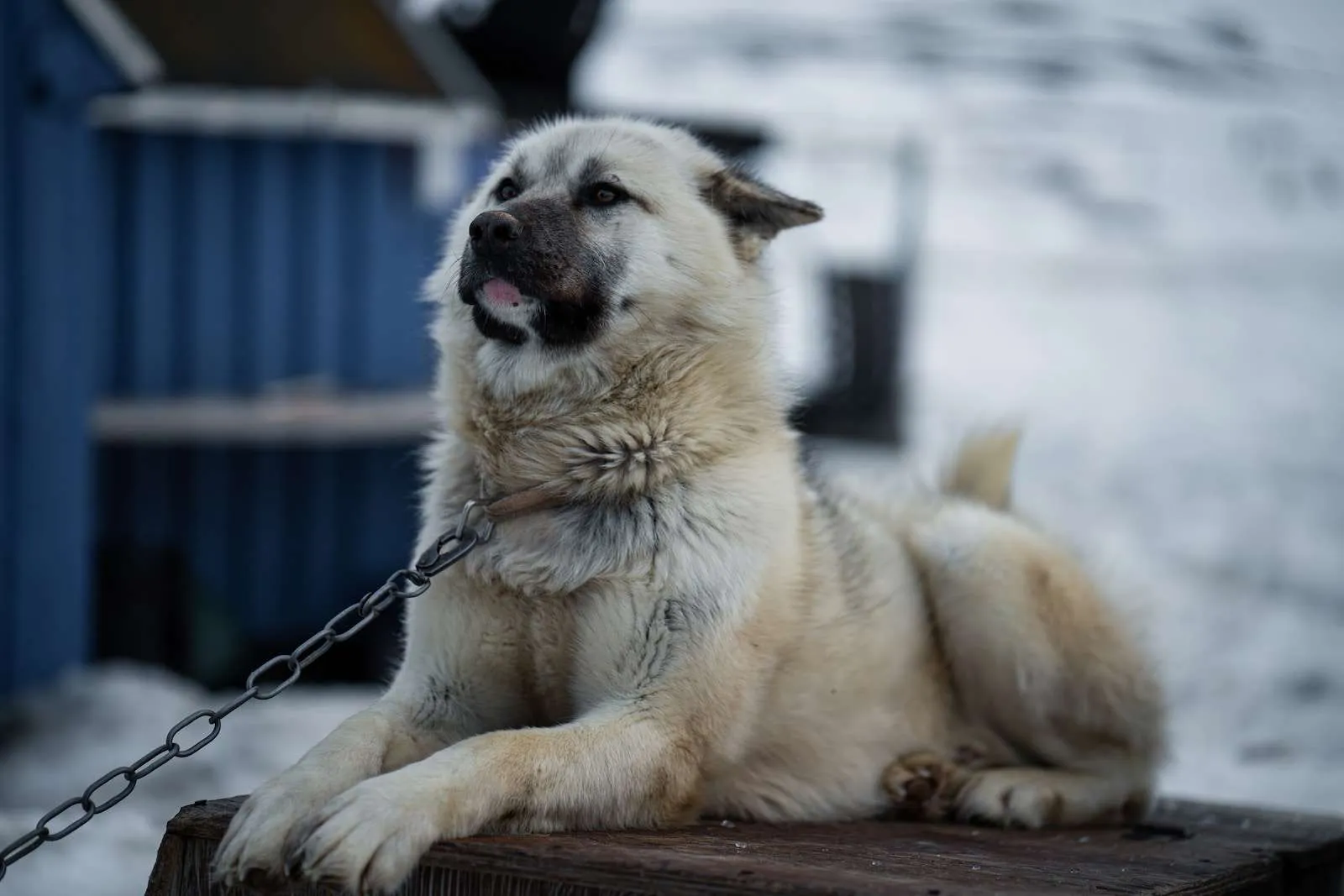
Statistics
- Height: 30-33 cm (12-13 inches)
- Weight: 5-6 kg (11-13 pounds)
- Life Span: 12-15 years
- Diet: High-quality dog food, balanced and suitable for small breeds
Japanese Terrier Overview
The Japanese Terrier is a small and lively breed known for its spirited personality and charming appearance. Originating in Japan, this breed was developed in the late 19th century by crossing native Japanese dogs with several European terrier breeds. The Japanese Terrier was primarily bred as a companion dog and small game hunter, particularly adept at controlling vermin.
Despite its small size, the Japanese Terrier is known for its agility and athleticism. It has a well-proportioned body with a square-shaped build. The breed has a short and glossy coat that comes in predominantly white with black or tan markings. The Japanese Terrier’s expressive dark eyes and erect ears give it an alert and intelligent expression.
Japanese Terrier Highlights
The Japanese Terrier possesses a lively and energetic nature, making it an engaging and entertaining companion. Its spirited personality brings joy and enthusiasm to its family. This breed is known for its intelligence and quick learning abilities, making it adaptable and trainable. Japanese Terriers are known to form strong bonds with their owners, providing unwavering loyalty and affection.
Another notable aspect of the Japanese Terrier is its versatility. While originally bred as a small game hunter, it excels as a companion and family pet. With proper socialization, Japanese Terriers can be friendly and gentle with children and get along well with other pets. They have a playful and curious nature, always eager to explore their surroundings and engage in interactive activities.
Japanese Terrier Evolution and History
The Japanese Terrier’s history dates back to the late 19th century in Japan. The breed was developed by crossing native Japanese dogs with several European terrier breeds, including the English Toy Terrier and the Smooth Fox Terrier. The aim was to create a small, agile, and versatile terrier that could assist in small game hunting and serve as a companion.
Japanese Terriers were primarily used for controlling vermin in homes, shops, and farms. They excelled at hunting rats, mice, and other small pests, earning a reputation for their skills in pest control. However, over time, their role shifted towards that of a beloved companion and family pet due to their endearing nature and sociable temperament.
Today, Japanese Terriers are still relatively rare outside of Japan but are cherished by those who appreciate their unique history, intelligence, and loyalty.
Japanese Terrier Size and Weight
The Japanese Terrier is a small breed, typically standing between 30 and 33 cm (12-13 inches) at the shoulder. They have a well-balanced and compact body with a square-shaped build. Despite their small size, Japanese Terriers are muscular and agile, reflecting their heritage as working terriers.
In terms of weight, Japanese Terriers usually range from 5 to 6 kg (11-13 pounds). Their small stature and lightweight make them portable and suitable for various living situations, including apartments and smaller homes.
Japanese Terrier Personality
The Japanese Terrier is known for its spirited, lively, and affectionate personality. They are social dogs that thrive on human companionship and are deeply devoted to their families. Japanese Terriers are known to form strong bonds with their owners, providing them with unwavering loyalty and affection.
This breed possesses a curious and playful nature. They have an enthusiastic approach to life and are always ready for adventure and interactive play. Japanese Terriers have a reputation for being outgoing and friendly, often getting along well with children and other pets when properly socialized.
Due to their terrier heritage, Japanese Terriers may display some typical terrier traits, such as independence and determination. While they can be headstrong at times, they respond well to positive reinforcement training methods and enjoy mental stimulation. Providing them with regular mental and physical exercise is essential to prevent boredom and the development of unwanted behaviors.
The Adaptability of the Japanese Terrier
The Japanese Terrier is a relatively adaptable breed when it comes to living situations. While they can adapt well to apartment living, they still require regular exercise and mental stimulation. A daily routine that includes walks, playtime, and interactive training sessions is important to keep them physically and mentally stimulated.
Japanese Terriers thrive in environments where they receive plenty of attention and interaction with their human family members. They can become bored and develop destructive behaviors if left alone for extended periods. Providing them with toys, puzzle feeders, and engaging activities can help alleviate any feelings of loneliness or boredom.
Early socialization is crucial to ensure that Japanese Terriers are comfortable and confident in different situations and around unfamiliar people and animals. Exposing them to various environments, sounds, sights, and experiences from a young age will help them become well-rounded and adaptable dogs.
Japanese Terrier Temperament
The Japanese Terrier has a friendly and outgoing temperament. They are known to be affectionate and loving towards their families, often seeking attention and physical contact. Japanese Terriers thrive on the companionship of their owners and enjoy being included in family activities.
This breed is typically good with children, especially when raised with them from an early age. However, due to their small size, supervision is recommended during playtime to prevent accidental injuries. Teaching children how to interact gently and respectfully with the dog is essential.
Japanese Terriers may display some terrier characteristics, such as independence and determination. They can be alert and vigilant watchdogs, quick to alert their owners to any potential threats. However, early socialization is crucial to ensure they do not become overly reactive or develop excessive barking habits.
Japanese Terrier Maintenance and Grooming
The Japanese Terrier has a short and glossy coat that requires minimal grooming. Their coat is typically low-shedding, making them suitable for individuals with allergies or those who prefer a breed with minimal hair on furniture and clothing.
Regular brushing once or twice a week is usually sufficient to keep the coat in good condition and remove any loose hair. Bathing should be done as needed, using a mild dog-specific shampoo to maintain the coat’s natural oils.
Like all dogs, Japanese Terriers require regular dental care to maintain oral hygiene. Brushing their teeth regularly and providing dental chews or treats can help prevent dental issues such as tartar buildup and gum disease. Routine nail trimming and regular ear cleaning are also essential parts of their grooming routine.
The Trainability of the Japanese Terrier
Japanese Terriers are intelligent and eager to please their owners, making them trainable dogs. They respond well to positive reinforcement-based training methods, which involve rewards such as treats, praise, and play.
Consistency, patience, and clear communication are important when training a Japanese Terrier. They enjoy mental stimulation and challenges, so incorporating interactive games and training sessions into their daily routine can help keep them engaged and focused.
Socialization is a crucial aspect of their training. Exposing Japanese Terriers to various people, animals, environments, and situations from a young age will help them develop good social skills and prevent fear or aggression towards unfamiliar situations.
Exercise Needs of the Japanese Terrier
Although small in size, the Japanese Terrier has moderate exercise requirements. Daily walks, play sessions, and interactive activities are important to keep them physically and mentally stimulated. Mental exercise, such as puzzle toys and training sessions, can be just as important as physical exercise for this intelligent breed.
Japanese Terriers enjoy participating in activities that challenge their agility and intelligence, such as agility courses, obedience training, and interactive playtime. They also benefit from opportunities to explore and sniff during walks, as it satisfies their natural curiosity and provides mental stimulation.
While they can adapt to apartment living, it’s important to note that Japanese Terriers still require regular exercise to prevent boredom and ensure their overall well-being. Providing them with a secure and enclosed space where they can safely play and burn off energy is beneficial, such as a securely fenced yard or a designated play area.
Japanese Terrier Health
The Japanese Terrier is generally a healthy breed with a relatively long lifespan. However, like all dog breeds, they may be prone to certain health issues. Responsible breeders conduct health screenings on their breeding stock to minimize the risk of passing on hereditary conditions to offspring. Regular veterinary check-ups and preventive care are essential to maintaining the Japanese Terrier’s overall health.
Some health issues that can affect Japanese Terriers include:
- Patellar Luxation: This is a condition where the kneecap becomes dislocated from its normal position. It can cause lameness or difficulty walking. In severe cases, surgical intervention may be required.
- Legg-Calvé-Perthes Disease: This condition involves the degeneration of the femoral head, leading to pain and lameness. Surgical intervention may be necessary in severe cases.
- Allergies: Japanese Terriers may be prone to allergies, including food allergies or environmental allergies. It’s important to monitor their diet and surroundings for any signs of allergic reactions, such as itching, rashes, or gastrointestinal issues.
Regular veterinary check-ups, a balanced diet, regular exercise, and a safe living environment are key factors in maintaining the Japanese Terrier’s overall health and well-being.
Japanese Terrier Care
Caring for a Japanese Terrier involves meeting their basic needs, providing them with a balanced diet, regular exercise, and mental stimulation. Additionally, they require regular grooming, including brushing their coat, cleaning their ears, trimming their nails, and maintaining good oral hygiene.
Regular veterinary check-ups are essential to monitor their health, administer vaccinations, and receive preventive care, such as flea and tick control. Japanese Terriers may require additional care based on their individual needs, such as specific dietary requirements or specialized grooming.
Creating a safe and stimulating environment for the Japanese Terrier is crucial to prevent boredom and the development of destructive behaviors. Providing them with toys, puzzle feeders, and interactive activities can keep them mentally engaged and prevent any feelings of loneliness or frustration.
Japanese Terrier Feeding
Feeding a Japanese Terrier should involve high-quality dog food that is appropriate for their age, size, and activity level. Commercial dog food formulated for small breeds is recommended, as it provides the necessary nutrients to support their energy requirements.
Feeding should be divided into two or three meals per day to prevent the risk of bloating or gastric torsion, which can be a concern in deep-chested breeds like the Japanese Terrier. Portion sizes should be adjusted based on the individual dog’s metabolism, activity level, and weight.
It’s important to follow the feeding guidelines provided by the food manufacturer and monitor the dog’s body condition to ensure they maintain a healthy weight. Regular access to fresh water is essential to keep them properly hydrated.
Japanese Terrier Coat Color and Grooming
The Japanese Terrier has a short and glossy coat that comes in predominantly white with black or tan markings. Their coat is low-shedding and requires minimal grooming. Regular brushing once or twice a week is usually sufficient to remove loose hair and keep the coat looking neat.
Bathing should be done as needed, using a mild dog-specific shampoo. It’s important not to over-bathe the Japanese Terrier, as excessive bathing can strip the coat of its natural oils and lead to dryness or irritation.
Regular dental care is essential for maintaining good oral hygiene. Brushing their teeth regularly and providing dental treats or toys can help prevent dental issues such as tartar buildup and gum disease. Routine nail trimming and ear cleaning are also important aspects of their grooming routine.
Japanese Terrier and Children
Japanese Terriers can get along well with children when properly socialized and introduced from an early age. They have a friendly and playful nature that often makes them a good match for families with children. However, supervision is recommended during playtime to prevent accidental injuries to both the dog and the child.
Teaching children how to interact gently and respectfully with the Japanese Terrier is important. They should be taught not to pull on the dog’s ears or tail, and to give the dog space when it needs it. Additionally, young children should be supervised during interactions to ensure the safety and well-being of both the child and the dog.
Japanese Terrier and Other Pets
Japanese Terriers are generally sociable and can get along well with other pets when properly introduced and socialized. They have a friendly and playful nature that can make them compatible with other dogs and cats in the household.
Early socialization and gradual introductions are important when introducing a Japanese Terrier to other pets. This allows them to become familiar with each other’s scent and behavior, reducing the likelihood of conflict or aggression.
Proper supervision and management should always be exercised when introducing a Japanese Terrier to other pets, especially smaller animals such as rodents or birds. While their hunting instincts can be controlled through training and socialization, caution should be taken to prevent any harm to smaller pets.
Similar Dogs
- Jack Russell Terrier: The Jack Russell Terrier shares similarities with the Japanese Terrier in terms of size, energy levels, and spirited personality. Both breeds are known for their intelligence, agility, and hunting instincts. They require regular exercise and mental stimulation to prevent boredom and to channel their energy in a positive way.
- Rat Terrier: The Rat Terrier is another breed that shares some similarities with the Japanese Terrier. Both breeds are small in size, highly energetic, and possess a lively and friendly personality. They are intelligent dogs that enjoy being involved in family activities and require mental and physical stimulation to thrive.
- Russell Terrier: The Russell Terrier, also known as the Parson Russell Terrier, is a lively and intelligent breed that shares common traits with the Japanese Terrier. Both breeds are known for their energetic nature, intelligence, and social disposition. They are active dogs that require regular exercise and mental challenges to prevent boredom and to maintain their overall well-being.
Japanese Terrier FAQs (Frequently Asked Questions)
- What type of coat do Japanese Terriers have?Japanese Terriers, also known as Nihon teria or Nippon teria, are small and lively dogs that have captivated dog lovers around the world. One striking feature of these adorable canines is their coat. The type of coat a Japanese Terrier has can vary significantly depending on various factors such as… Read more: What type of coat do Japanese Terriers have?
- Are Japanese Terriers Good With Other Dogs?Many dog lovers are drawn to the adorable and energetic nature of Japanese Terriers. However, before bringing one into your home, it’s essential to consider their compatibility with other dogs. This blog post aims to provide you with an in-depth understanding of Japanese Terriers’ temperament and their ability to get… Read more: Are Japanese Terriers Good With Other Dogs?
- Are Japanese Terriers Easy To Train?When it comes to choosing a new furry companion, one of the key factors many pet owners consider is how easy a breed is to train. If you’re considering adding a Japanese Terrier to your family, you might be wondering if they are easy or difficult to train. In this… Read more: Are Japanese Terriers Easy To Train?
- Can Japanese Terriers Live In Apartments?Living in an apartment has become a popular choice for many individuals seeking a convenient and low-maintenance lifestyle. However, as pet lovers, we always question whether certain dog breeds can adapt to apartment living. In this blog post, we will delve into the world of Japanese Terriers and explore whether… Read more: Can Japanese Terriers Live In Apartments?
- Are Japanese Terriers Good Family Dogs?Choosing the perfect dog breed to join your family can be an exciting but challenging task. With so many options available, it’s essential to consider various factors, such as temperament, size, and exercise needs. In this blog post, we’ll explore whether Japanese Terriers make good family dogs and why they… Read more: Are Japanese Terriers Good Family Dogs?
- Are Japanese Terriers Hypoallergenic?If you’re considering getting a new furry friend and happen to have allergies, finding a hypoallergenic dog breed might be at the top of your list. Among the various breeds available, one that often comes up in conversations is the Japanese Terrier. But are Japanese Terriers truly hypoallergenic? Let’s dive… Read more: Are Japanese Terriers Hypoallergenic?
- Are Japanese Terriers Good For First Time Owners?If you’re considering getting a dog for the first time, one breed that may catch your eye is the Japanese Terrier. Known for their charming personality and adorable appearance, these dogs can be an excellent choice for novice owners. In this blog post, we will explore why Japanese Terriers are… Read more: Are Japanese Terriers Good For First Time Owners?
- What Were Japanese Terriers Bred For?If you’ve ever come across a Japanese Terrier, you may have wondered about their origins and the purpose for which they were bred. These delightful little dogs have an intriguing history that dates back centuries, and their breeding was driven by specific objectives. In this blog post, we will delve… Read more: What Were Japanese Terriers Bred For?