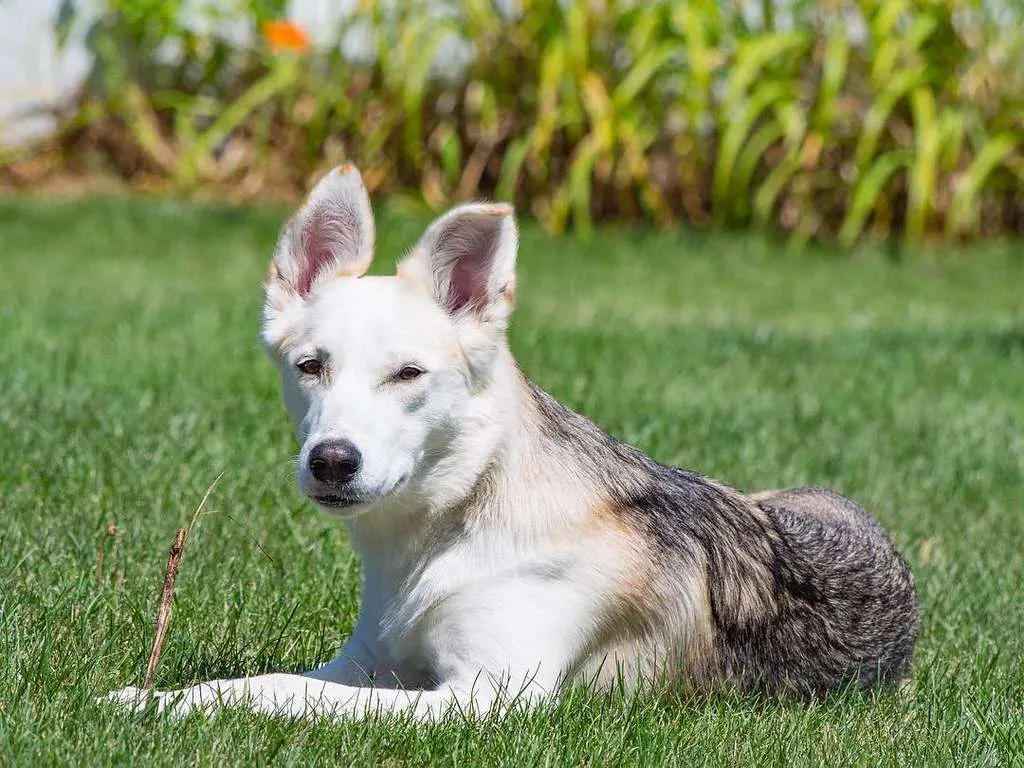
If you’re considering bringing a furry friend into your home but suffer from allergies, finding a hypoallergenic breed is likely at the top of your priority list. One popular crossbreed that often comes up in conversations about hypoallergenic dogs is the Labsky. But are Labskys truly hypoallergenic? Let’s dive deeper into this question and explore what makes a dog breed hypoallergenic.
Understanding Hypoallergenic Dogs
Hypoallergenic refers to breeds that are less likely to cause an allergic reaction in people who are sensitive or allergic to pet dander. Contrary to popular belief, it’s not the fur itself that triggers allergies; rather, it’s proteins found in the saliva, urine, and dead skin cells (dander) of animals.
The Labrador Retriever Factor
Labskys are a mix between two well-known breeds: Labrador Retrievers and Siberian Huskies. Although Labradors aren’t considered hypoallergenic by themselves due to their shedding nature, they have short hair that produces fewer allergens compared to long-haired breeds.
Siberian Husky Traits
Siberian Huskies have a double coat consisting of guard hairs on top and a soft undercoat beneath. The undercoat helps them stay warm in cold climates but also contributes significantly to shedding throughout the year. This higher rate of shedding can lead people with allergies to experience more symptoms.
What Does This Mean for Labskys?
The combination of these two breeds means that Labskys inherit traits from both parents when it comes to allergen production. While their Labrador Retriever lineage may result in less shedding, the presence of Siberian Husky genes means that some Labskys may still produce allergens at a higher rate. Consequently, it’s crucial to understand that individual Labskys can vary in their hypoallergenic qualities.
Steps to Minimize Allergies
If you have allergies but are still interested in bringing a Labsky into your home, there are steps you can take to minimize potential allergic reactions:
- Frequent grooming and brushing: Regular grooming sessions can help remove loose hair and dander from your dog’s coat before they shed around your home.
- Clean living space: Vacuuming carpets and furniture frequently, using air purifiers or filters, and regularly washing bedding can help reduce the amount of pet dander present indoors.
- Allergy medications: Consult with an allergist for recommendations on over-the-counter or prescription allergy medications that may alleviate symptoms caused by pet allergies.
The Final Verdict
In conclusion, while Labradors aren’t hypoallergenic on their own due to moderate shedding, combining them with Siberian Huskies does not automatically make Labskys hypoallergenic either. While individual Labskys might be easier for allergy sufferers due to varying degrees of shedding and allergen production inherited from their parents, it ultimately depends on each person’s unique sensitivities. By taking proactive measures like regular grooming and maintaining a clean living space as well as consulting with healthcare professionals about allergy management strategies, those with mild allergies may still enjoy the companionship of a loving Labsky.
Disclaimer: This blog post is intended for informational purposes only. It is always recommended to consult with healthcare professionals or breed experts before making decisions regarding pet ownership, especially for individuals with allergies.